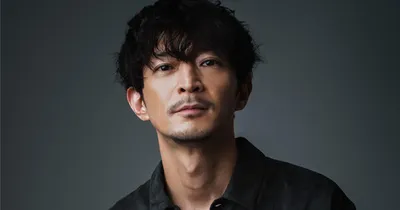
The Tokyo District Court has dismissed a lawsuit brought by prominent voice actor Kenjirō Tsuda against the operator of TikTok. The legal action, which centered on the unauthorized use of AI to mimic Tsuda's distinct, deep vocal style in a series of videos, was closed after the platform confirmed the removal of the content in question. Because the videos were taken down following the initial filing in November 2025, the court ruled that there was no longer a legal basis to continue the proceedings.
The dispute involved at least 188 videos uploaded between July 2024 and September 2025, which covered urban legends and conspiracy theories. Tsuda’s legal team argued that the AI-generated narration misled viewers by imitating his likeness, violating both the Unfair Competition Prevention Act and his right of publicity. Conversely, the defense maintained that the audio was a generic male voice trained on a friend of the uploader, asserting that the content's popularity stemmed from the subject matter rather than the voice itself.
This case arrives as Japan continues to refine its legal stance on generative AI. In August, an expert panel from the Ministry of Justice released new guidelines clarifying that the voices of actors and voice performers are protected under the right of publicity, similar to their physical likenesses. The guidelines further suggest that AI providers could potentially face joint liability depending on the extent of the infringement, marking a significant shift in how the industry may handle similar disputes moving forward.