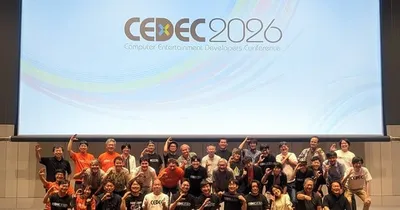
The Computer Entertainment Supplier's Association (CESA) has released findings from its CEDEC 2026 survey, highlighting the widespread integration of generative AI within the Japanese game development sector. Out of 1,349 industry professionals surveyed, 85.8% confirmed they utilize tools such as ChatGPT, GitHub Copilot, and various asset-generation services. Daily usage remains high, with 63% of respondents reporting regular interaction with these technologies.
While adoption is high, the implementation varies significantly when it comes to final, consumer-facing products. Among those surveyed, 40% stated they do not employ generative AI in their released titles. For those who do, the primary application is internal support—such as brainstorming, prototyping, and workflow optimization—rather than direct asset generation. Only 3% of respondents reported using generative AI-based algorithms within the final released products themselves.
Beyond individual developer habits, CESA also polled 50 of its member companies regarding their broader AI strategies. These organizations primarily leverage generative AI for internal business operations, programming support, and localization. Meanwhile, non-generative AI continues to serve as a backbone for data analysis, forecasting, and managing NPC behavior.
These findings appear in a 32-page preview of the upcoming CESA Video Game Industry Report 2026. The full 460-page document is scheduled for a December release, priced at 55,000 yen. As studios continue to balance efficiency with creative control, the industry remains split on how much AI-driven content is appropriate for final player experiences.