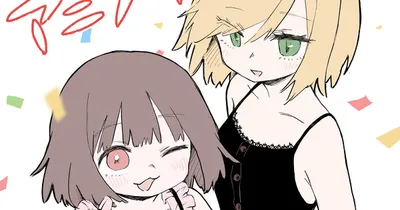
The production committee behind the upcoming Mii-chan and Miss Yamada anime has issued a formal statement following intense public backlash regarding the series' depiction of intellectual and developmental disabilities. The announcement, which arrived just days after the project was unveiled, acknowledged the widespread concerns and stated that the team intends to proceed with caution. The committee pledged to consult with experts to ensure the adaptation avoids fostering prejudice, noting that they are considering appropriate age ratings and content disclaimers.
Controversy surrounding the series stems from its source material, a manga by Nene Azuki that follows a protagonist often read as having undiagnosed disabilities. Critics, including animator Terumi Nishii and manga creator Daiki Kasiwa, have characterized the work as a "freak show," arguing that the narrative exploits the struggles of individuals with developmental delays. Concerns have also been raised regarding the real-world impact of the title, with reports that the name "Mii-chan" is already being used to bully individuals with disabilities in schools.
Public tension was further heightened by the timing of the announcement, which coincided with the 10th anniversary of the Sagamihara stabbings—a tragedy targeting a care home for the disabled. This overlap has fueled multiple petitions on platforms like Change.org and Voice, with thousands of signatures calling for a production pause. Conversely, a smaller contingent of supporters has launched counter-petitions, arguing that canceling the project sets a dangerous precedent for artistic expression.
In response to the mounting pressure, Kodansha has removed promotional banners for the anime from its Magazine Pocket digital platform. While the committee insists they aim to respect the original manga’s themes, the path forward remains fraught with scrutiny as advocacy groups continue to demand a thorough review of the series' content to ensure it does not contribute to the marginalization of vulnerable communities.