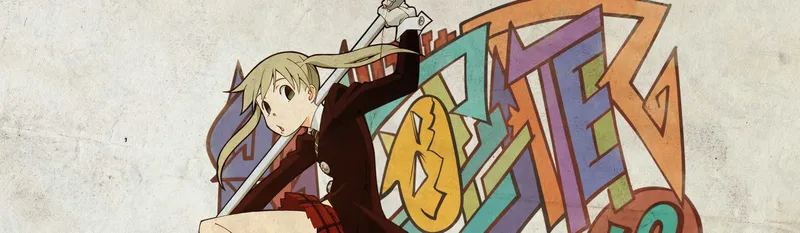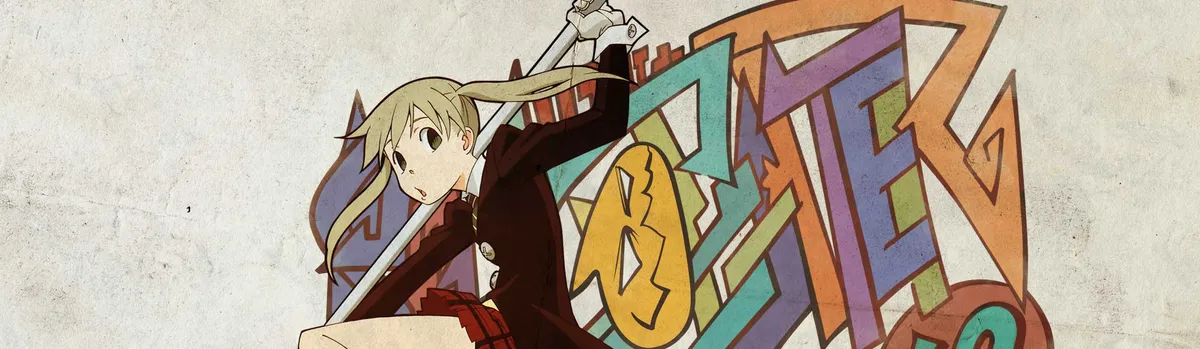
Studio Bones’ Soul Eater has arrived on Netflix, Crunchyroll, and Hulu, making its kinetic, gothic-inspired action available in full across three platforms. With all 51 episodes ready to binge, the series remains a high-water mark for late-2000s urban fantasy, defined by an aesthetic that feels entirely distinct from the standard shounen fare of its era.
The story unfolds at the Death Weapon Meister Academy, a training ground where students pair up as 'Meisters' and living 'Demon Weapons.' To reach the rank of Death Scythe—a weapon worthy of Lord Death—a team must consume the souls of 99 evil beings and one witch. This setup provides a framework for escalating battles, though the series balances its macabre premise with a frantic, high-energy comedic tone.
Visual identity is where the series truly earns its reputation. Leaning into a Tim Burton-esque sensibility, Bones utilized asymmetrical character designs and a color palette that feels intentionally off-kilter. This stylistic choice, paired with a jazz-infused soundtrack, creates a sensory experience that holds up remarkably well against modern animation standards. The combat isn't just about power levels; it relies on the 'soul wavelength' synchronization between partners, adding a tactical layer to the show's signature swordplay and gunfights.
The series thrives on an ensemble cast that avoids the typical 'chosen one' narrative. While protagonist Maka Albarn and her partner Soul Evans anchor the story, the supporting cast—including the obsessive-compulsive Death the Kid and the volatile Black Star—are given significant screen time to develop their own distinct arcs. This focus on the group dynamic keeps the pacing brisk, even as the stakes move from school-based skirmishes to global threats.
While the anime famously diverges from Atsushi Ohkubo’s original manga during its final act, the series remains a cult classic for its foundational influence on supernatural action. It serves as a vital entry point for those interested in the evolution of the genre, bridging the gap between the gritty aesthetic of the early 2000s and the polished, high-octane productions of the modern era.