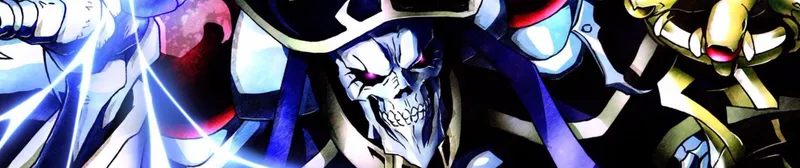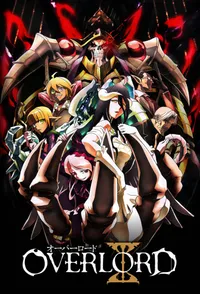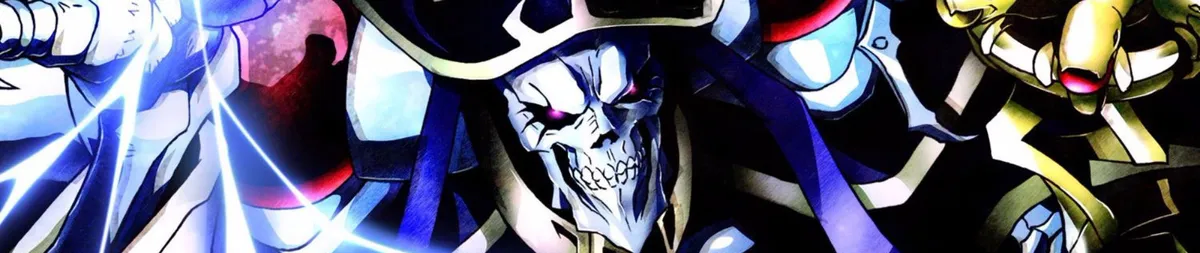
Overlord has arrived on both Crunchyroll and Hulu, providing a clean entry point into the series that redefined the isekai genre by placing a ruthless, high-level necromancer at the center of the narrative. Produced by the veteran team at Madhouse, the first season follows Momonga, a veteran player of a dying VRMMORPG who chooses to stay logged in as his skeletal avatar, Ainz Ooal Gown, as the game’s servers shut down.
Unlike the standard hero's journey, the series operates as a dark fantasy power fantasy. Ainz is not a victim of circumstance, but an existential threat to the world he inhabits. With the unwavering, sometimes terrifying loyalty of the NPCs he created, he systematically exerts control over the surrounding kingdoms. The show’s premise hinges on the friction between Ainz’s rational, human-like internal monologue and the cold, monstrous persona he must project to maintain order among his subordinates.
A Masterclass in World-Building
What separates Overlord from its contemporaries is its dedication to kingdom management and geopolitical maneuvering. Rather than focusing solely on combat, the narrative explores the logistical and social consequences of a supreme, magical entity inserting itself into a medieval power structure. The supporting cast, specifically the Guardians of the Great Tomb of Nazarick, offers a diverse array of personalities—from the yandere succubus Albedo to the fanatical combat maid Pleiades—who drive the political intrigue forward.
With a massive footprint of over one million voters on MyAnimeList, the series remains a cornerstone of modern dark fantasy. The first 13-episode season functions as a tight, self-contained introduction to the franchise's tone. Its success triggered a substantial multimedia expansion, including three direct sequels and the Ple Ple Pleiades comedic spin-off series, all of which build upon the foundations laid here.