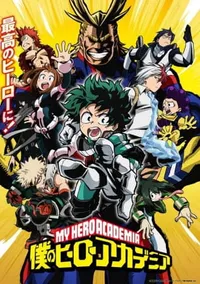
The inaugural season of My Hero Academia is now available to stream on Crunchyroll, Hulu, and Netflix. Produced by Studio Bones, the 13-episode run serves as the foundation for one of the most commercially successful shounen franchises of the last decade, pairing high-fidelity animation with a distinct visual language inspired by Western comic book aesthetics.
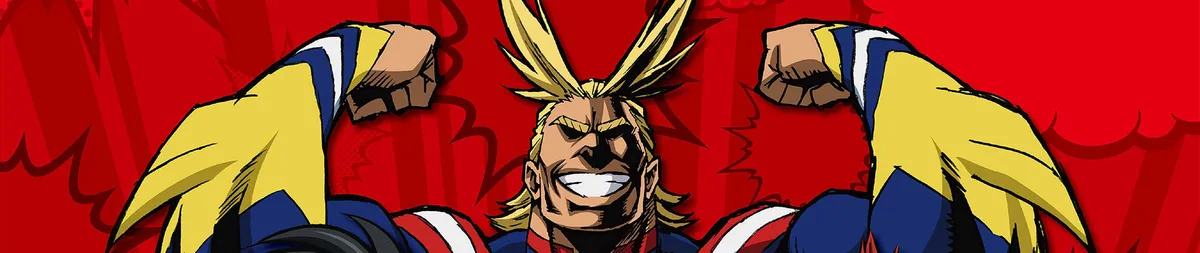
Creator Kōhei Horikoshi explicitly modeled the series after American superhero tropes, integrating Marvel and DC-inspired iconography into a world where "Quirks"—superhuman abilities—are a societal standard. The narrative follows Izuku Midoriya, a powerless youth in a population of heroes, as he earns a spot at the elite U.A. High School. It is a classic underdog story that leans heavily into the cultivation and ensemble-cast dynamics typical of the genre.
Studio Bones distinguishes the series from its contemporaries through kinetic choreography and a focus on tactical combat rather than simple power scaling. The animation studio, also known for their work on Fullmetal Alchemist: Brotherhood and Mob Psycho 100, maintains a consistent level of polish that elevates the high-stakes school setting. This technical proficiency has helped the series maintain a significant presence, evidenced by over 2.2 million ratings on MyAnimeList.
Beyond the initial season, the franchise has expanded into an extensive web of sequels, OVAs like My Hero Academia: Rescue! Rescue Training, and the My Hero Academia: Vigilantes spin-off manga. The availability of the first season on multiple platforms provides a baseline for viewers to assess the series' blend of urban fantasy and traditional shounen pacing.
For those unfamiliar with the property, the first 13 episodes establish the ideological stakes of the series—specifically the burden of heroism in a society that treats it as a celebrity profession. It remains a primary example of how Japanese animation can synthesize international comic influences into a cohesive, long-running action narrative.