Mononoke has arrived on both Crunchyroll and Netflix, offering a complete 12-episode binge of one of the most visually distinct horror series in anime history. Originally broadcast on Fuji TV’s prestigious NoitaminA block, the show remains a masterclass in atmospheric storytelling, blending traditional Japanese art styles with a surreal, kaleidoscopic aesthetic that feels as unsettling today as it did during its 2007 debut.
At the center of the series is the Kusuriuri, or "Medicine Seller," an enigmatic wanderer who traverses the Edo period to hunt down malevolent spirits known as mononoke. Unlike typical exorcists, the Medicine Seller cannot slay these entities until he uncovers their "Form," "Truth," and "Reason." This investigative framework forces the narrative into psychological territory, as the protagonist must peel back the layers of human trauma and societal rot that manifest these supernatural threats.
Produced by Toei Animation, the series serves as a direct spin-off to the Bakeneko arc from the anthology Ayakashi: Samurai Horror Tales. While it functions perfectly as a standalone experience, its roots in folklore and classical Japanese horror give it a weight and cultural texture rarely seen in the medium. With a MAL score of 8.41 and a cult following that has sustained its legacy for over a decade, it is widely considered an essential watch for fans of dark, cerebral storytelling.
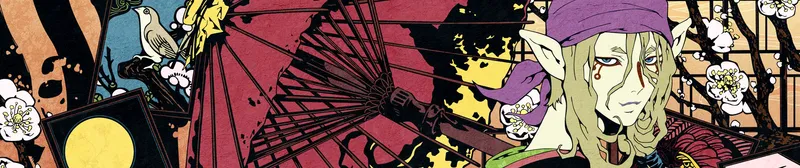
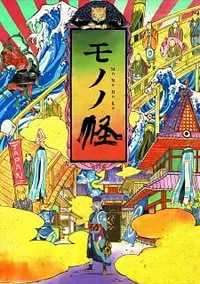
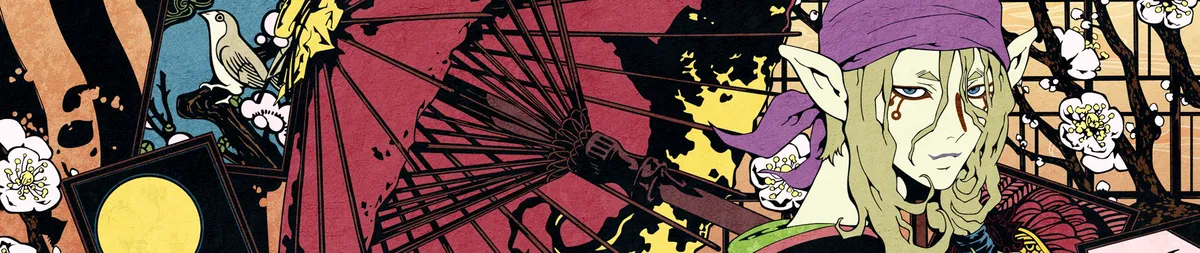
What sets Mononoke apart is its commitment to a unique visual language; the animation mimics the texture of washi paper and woodblock prints, utilizing vibrant, clashing colors to heighten the sense of dread and mania. It avoids the jump-scare tropes of modern horror in favor of a slow-burn, suffocating suspense that prioritizes the grotesque architecture of the human psyche over conventional shocks.
The Medicine Seller’s journey through the shadows of the Edo period remains a rare entry in the horror genre, stripping away the comfort of traditional animation to confront the viewer with the raw, jagged edges of its folklore-inspired narratives.